 Fabricant de produits de pompe hydraulique | Rui Chen Hydraulic Machinery Co. Ltd
OEM Manufacturer & Wholesale Factory RCHC Reliable Hydraulic Gear Pump Supplier
959OEM Manufacturer & Wholesale Factory RCHC Reliable Hydraulic Gear Pump Supplier
Voir les détailsrecherche Search the whole station
Ensure that required maintenance tools, such as wrenches and screwdrivers, and newly replaced parts are ready.
The specifications and models of the new parts must be consistent with those of the original factory to ensure compatibility.
Before replacement, ensure that the gear pump has been powered off to avoid accidental start.
For hydraulic gear pumps, the pressure in the system must be removed to avoid oil ejection, causing personal injury.
Ensure that the pump body and the surrounding environment are clean to prevent dirt from entering the pump body and causing damage during subsequent use.
According to the pump body structure drawing or maintenance manual, gradually disassemble the parts of the gear pump, avoid violent disassembly, in order to prevent damage to other parts.
Pay special attention to the position of seals and gaskets so that they can be correctly reset during subsequent installation.
When replacing parts, check the wear of other related parts (such as bearings, seals, gears) and replace them if necessary.
Check the inside of the pump body for scratches or damage to ensure that there are no foreign objects.
Install the new parts in the reverse order of disassembly, taking care not to exert too much force during installation, especially the seals and gaskets, so as to avoid damage.
Lubricate the installed parts with suitable lubricants or hydraulic fluids to reduce wear during initial operation.
Tighten bolts and nuts according to the manufacturer’s recommended torque standards. Too much slack may lead to leakage, and too much tightness may damage threads or components.
After replacing the parts, gradually restore the system pressure, start the gear pump and test run to observe whether there is abnormal sound, vibration or leakage.
Monitor pump operating temperature and pressure to ensure they are within normal range.
If the pump relies on a lubrication system, ensure adequate and normal flow of lubricating oil to prevent excessive wear due to insufficient lubrication.
After replacing the parts, check them again after using them for a period of time to ensure that the parts are working properly without excessive wear or other problems.
Through the above steps, you can ensure that the replacement of gear pump components is carried out smoothly and avoid unnecessary damage or failure.
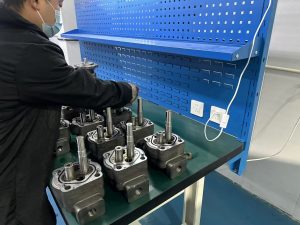
OEM Manufacturer & Wholesale Factory RCHC Reliable Hydraulic Gear Pump Supplier
Voir les détails
Recently, Shandong Ruichen Hydraulic Co., Ltd. announced that 500 high-performance R5 series hydraulic pumps will be sent to Turkey. The export of these hydraulic pumps marks the further expansion of Ruichen Hydraulic into the international market...
Voir les détails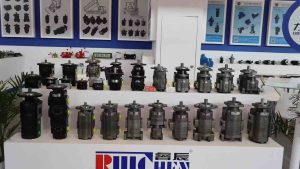
Excellent performance and application of RCHC hydraulic gear pump
Voir les détails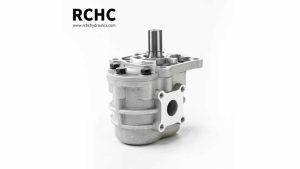
Hydraulic motor is an important power source widely used in modern industrial equipment. When installing hydraulic motor, it is necessary to pay attention to the following key points to ensure the efficient operation and long-term stability of the...
Voir les détails
BonjourVeuillez vous connecter